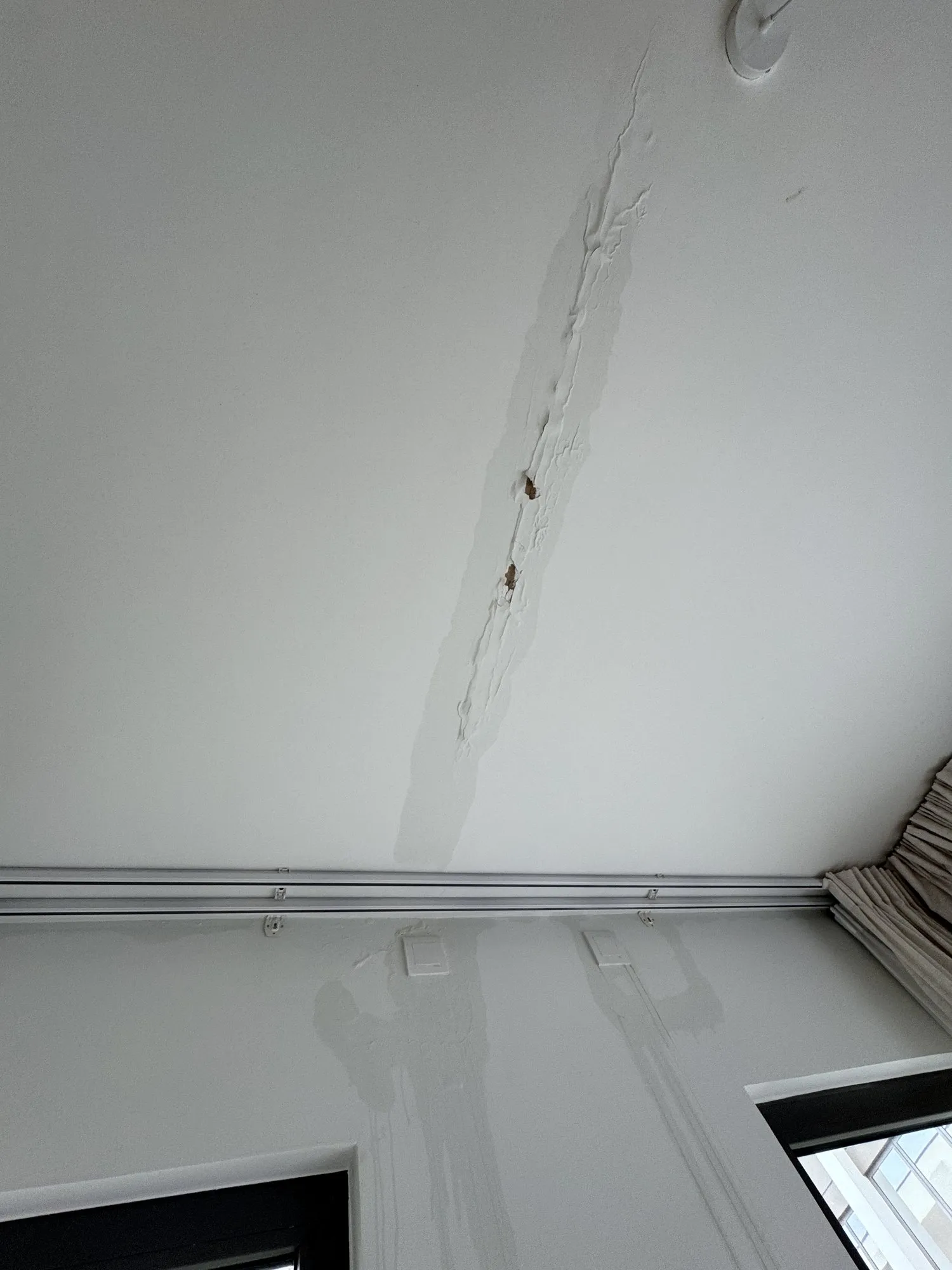
Between 22 and 27 March 2026 a low pressure system brought several days of rain to the UAE, with the heaviest falls and local flooding on 23 March1. A second, weaker wave followed on 31 March and 1 April2. It was far from the record rain of April 20243, and heavy rain is nothing new here. Even so, at a number of properties it became clear afterwards that building components and drainage were not prepared for this load.
In the inspections that followed, one thing stood out: a property that makes an excellent impression in dry weather can reveal significant technical weaknesses under stress. In Dubai, viewings and handovers almost always take place in dry weather. Buyers therefore rarely see how a villa behaves in intense rain. This article sums up what I saw, and what owners and buyers can do with it before the next rainy months, which usually run roughly from November to March.
1. Waterproofing: when water finds its own way
Among the most frequent findings was moisture ingress at roof junctions, terraces, balconies and rising walls. Structural transitions are particularly critical, for example between roof and parapet, at door thresholds or where different materials meet. In dry weather these areas look unremarkable. Only under intense water exposure does it show whether the waterproofing, including its junctions and penetrations, works reliably.
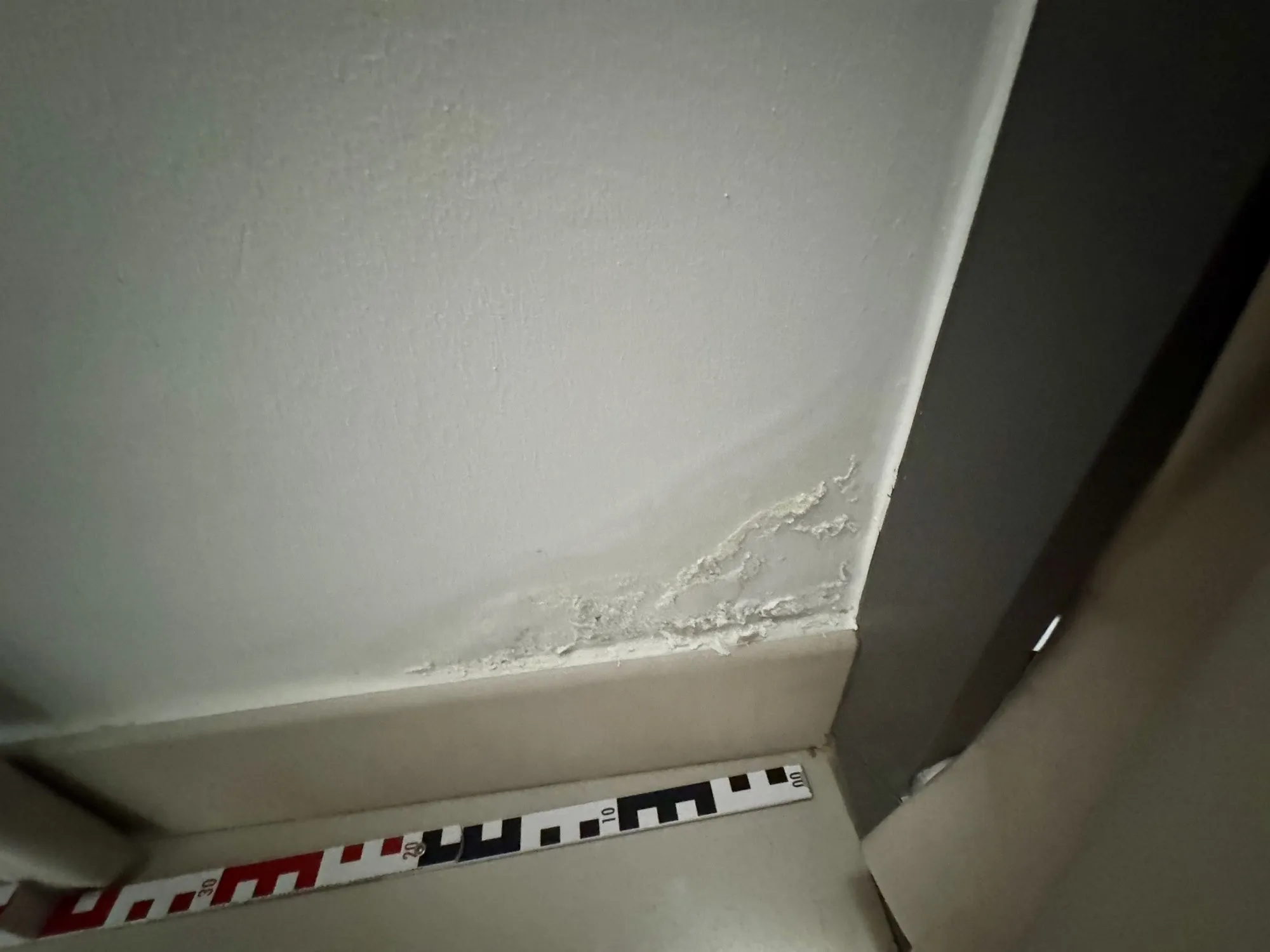
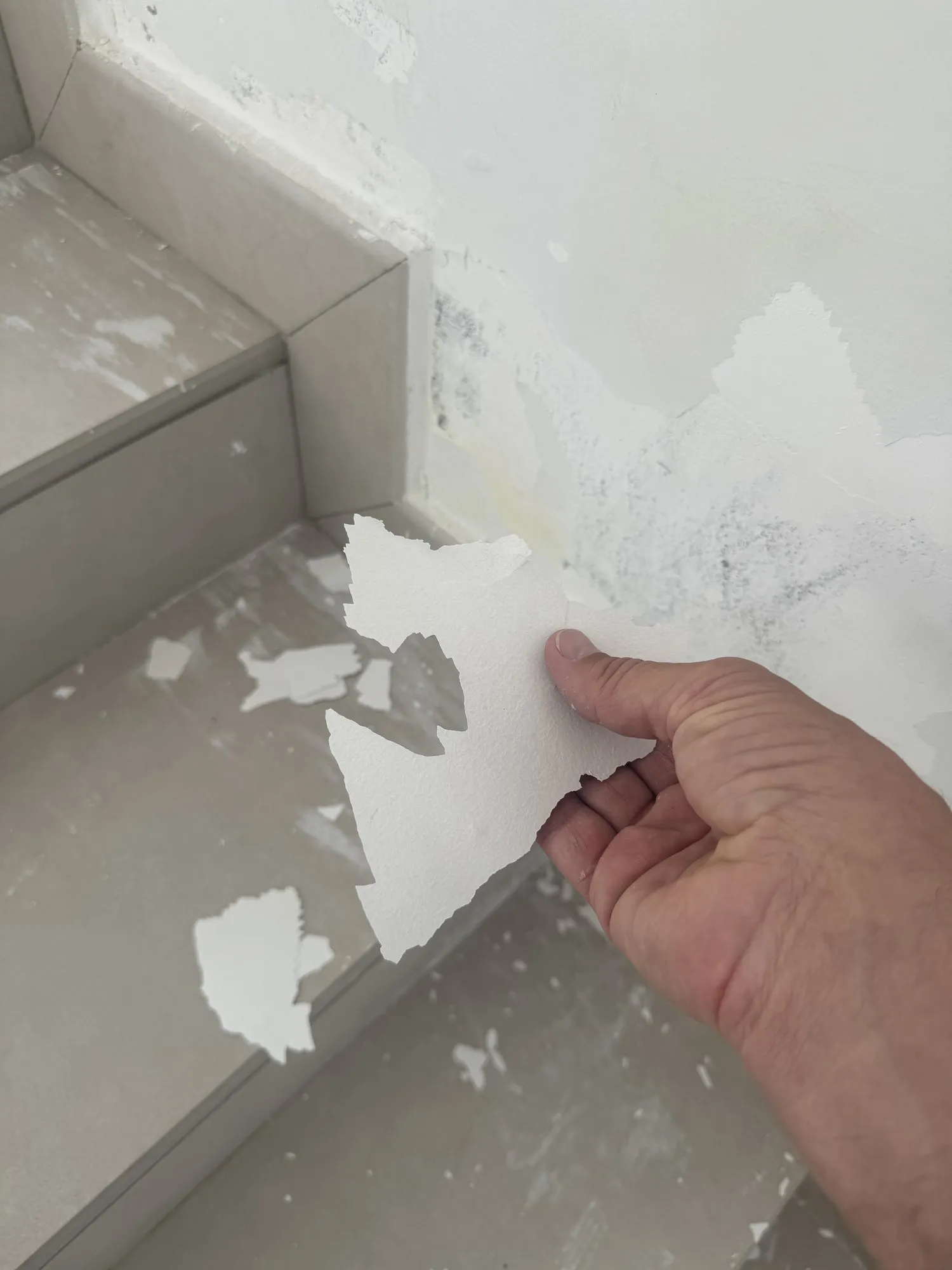
Once water has entered the building envelope, typical damage patterns follow: moisture stains on ceilings and walls, blistering and detached coatings, saturated gypsum board linings, swollen wooden boards and impaired electrical installations.
What is often underestimated is that the visible damage does not have to match the point of entry. Moisture can travel within building layers, along installations or through junctions and appear somewhere else entirely. Treating only the stain on the ceiling risks leaving the cause in place. A professional building defect analysis therefore distinguishes between damage pattern, point of entry and actual cause. In practice that means moisture readings, thermal imaging where it adds insight, and following the water path step by step, as described in my method.
2. Drainage: when rainwater does not go where it should
At several properties, water was not drained quickly enough or not in the intended direction. Typical findings were water collecting directly against external walls, overloaded or blocked drains, standing water on terraces, insufficient falls and surface water flowing toward the building instead of away from it.
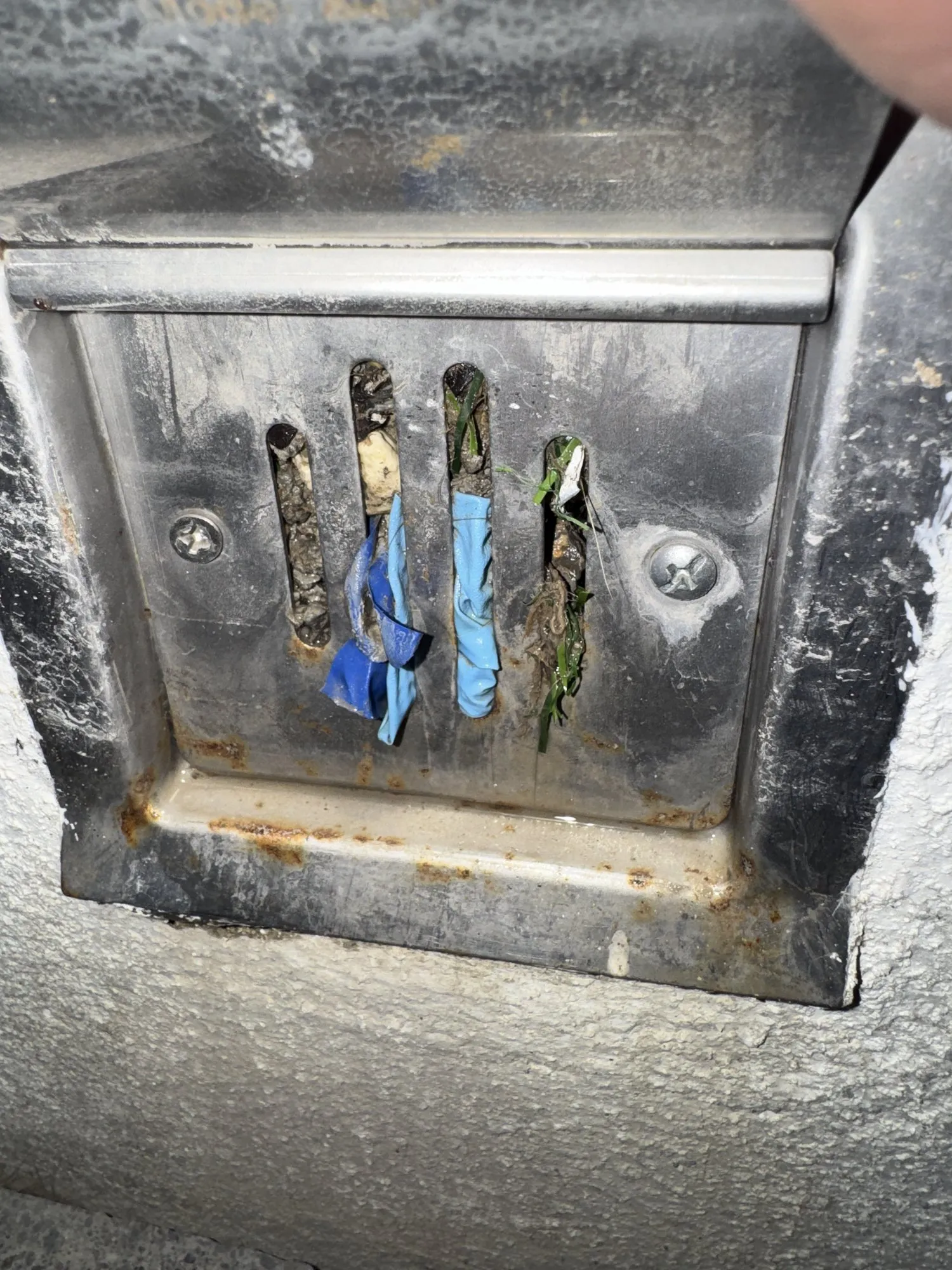
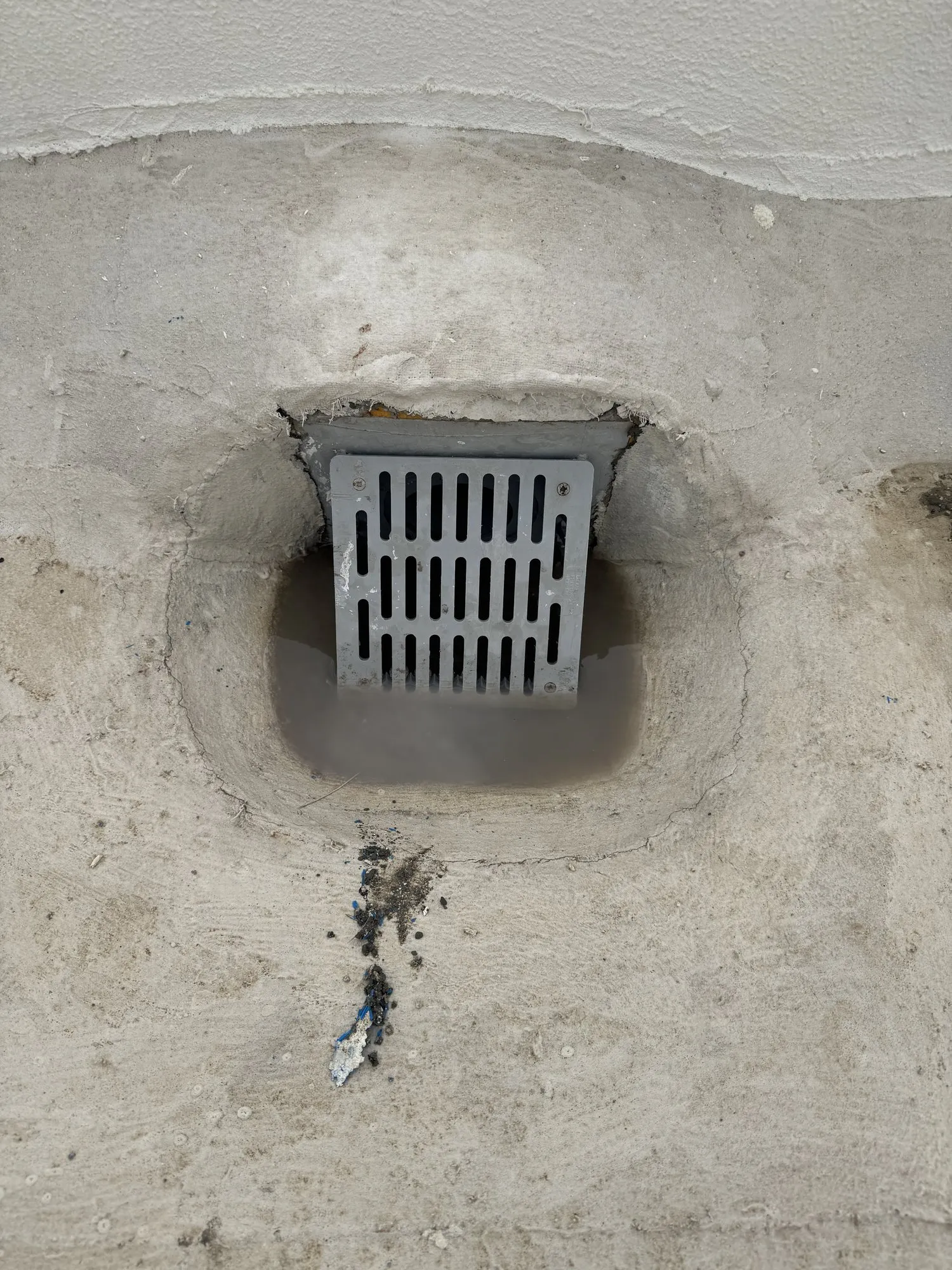
Not every short pooling of water is a defect. What matters are cause, duration, extent and the structural conditions. It becomes a problem when water repeatedly stands at building junctions or reaches areas that are not protected for it. Waterproofing, plinth areas, façades and adjacent external works are then most often affected. Under unfavourable conditions the foundation zone can also be affected, although that is not the rule.
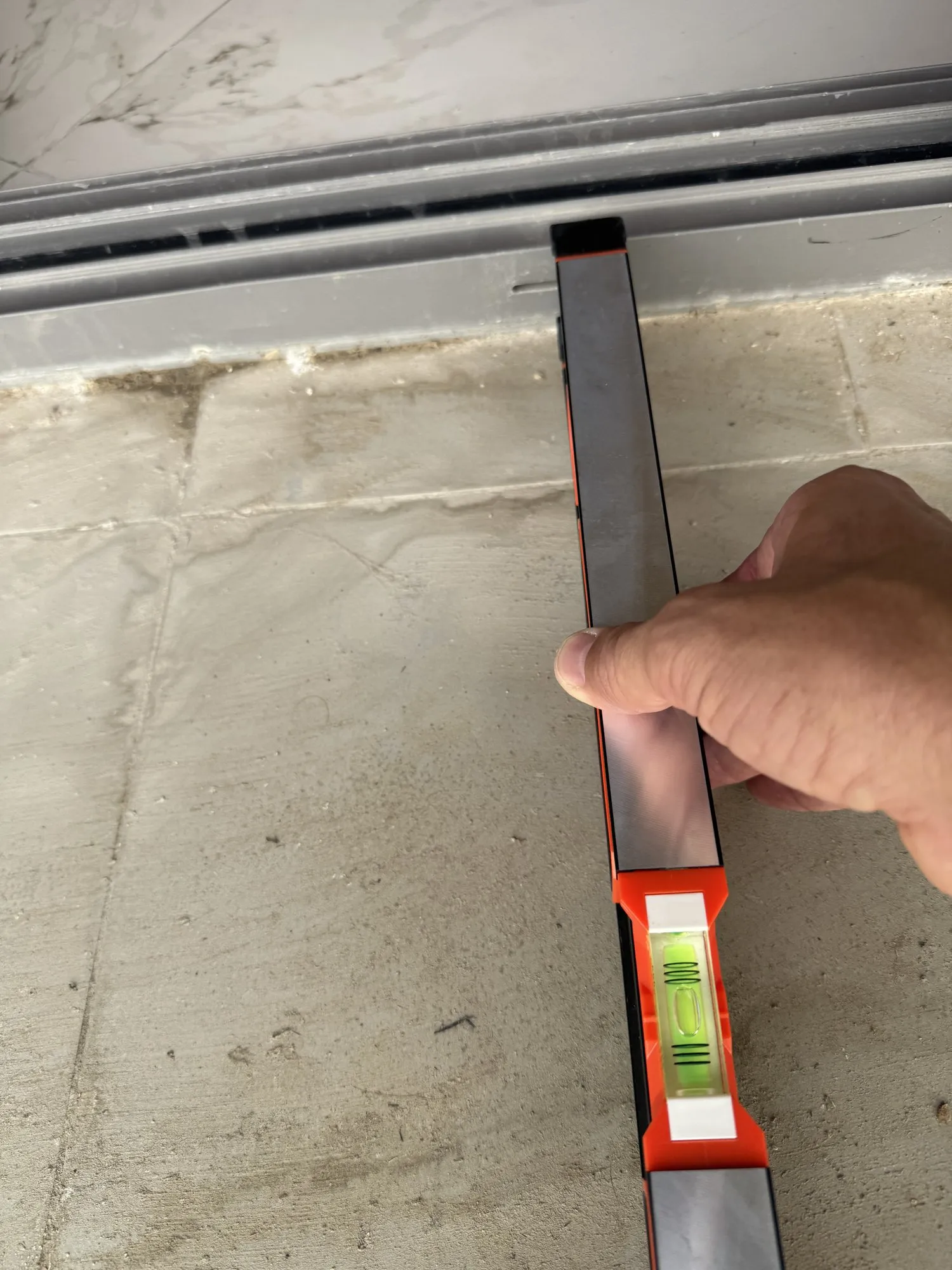
Functioning drainage is not a fitting detail but part of a property’s protection concept. For villas with large terraces, gardens and many transitions between inside and outside, it deserves particular attention.
3. Dubai’s climate: why waterproofing and joints need regular checks
Intense sun, high surface temperatures and recurring temperature changes put heavy stress on exposed components and their junctions. Sealants, joint materials and waterproofing systems age, material properties change, and movement between adjoining components creates additional stress. That does not mean every joint will leak after a few years. It does mean that its condition cannot be judged by age or original workmanship alone.
The same weak points come up in inspections again and again: hardened or detached sealants, damaged junctions, cracks, and drains restricted by debris or a lack of maintenance. In daily life this usually goes unnoticed. Only heavy rain may turn it into extensive moisture damage.
That is why I consider a regular technical check of exposed building areas worthwhile. The best time to find a leak is not during the next heavy rain but before it. The aim is not precautionary renovation, but identifying risks early, assessing them professionally and planning measures in a targeted way.
4. A new build does not automatically mean better quality
In my inspections after the rain, some comparatively new villas showed more pronounced findings than older buildings with documented maintenance. No general statement about new or older properties in Dubai can be drawn from this. But it shows that the construction year alone is not a reliable yardstick. What matters are design, materials, workmanship, quality assurance during construction and later maintenance.
New builds also face their first summer as a stress phase. Many components are then exposed for the first time to the high temperatures typical of Dubai. Where movement joints, material transitions or junctions were not adequately considered, thermal expansion and stress can lead to cracks or detachment. Not every crack is a defect or causes a leak. Its significance depends on location, pattern, width, depth and the component affected. It becomes critical when layers that carry or hold back water are affected. The first heavy rain then makes such weak points visible.
For owners of newly handed over villas, a condition check after the first summer and before the next rainy season is therefore worthwhile. Traceable documentation creates transparency, allows changes to be tracked later and can be relevant for communication with the developer and for possible defect claims. A DLP inspection before the defect liability period ends is built exactly for that.
5. Why buyers should look more closely
Anyone buying a villa in Dubai looks first at location, layout, finishes and price. The technical condition should not fade into the background. In premium properties in particular, surfaces can make an excellent impression while relevant weak points sit in less accessible areas: roof build ups, waterproofing junctions, drainage or concealed installations.
In my view, buyers should therefore ask these questions before they sign:
- 01Has there been moisture ingress before, and are the causes documented?
- 02When were the roof waterproofing and critical junctions last inspected?
- 03How is rainwater drained on the plot, and where do the outlets lead?
- 04What maintenance and repair records exist?
- 05After earlier damage, were only the surfaces renewed, or was the cause demonstrably fixed?
The last question is decisive. A freshly painted ceiling looks unremarkable. It does not tell you whether the cause of an earlier leak was removed.
An independent pre-purchase inspection records visible findings systematically, puts existing documents into context and shows where further investigation is needed. It cannot guarantee that all concealed defects, or leaks that only occur in certain weather, will be found. That limit is part of any serious assessment. What it can do is replace a first impression with facts, from someone who does not sell, broker or repair.
What to check now, before the next rainy season
Owners can do a first round themselves. If anything looks suspicious, have it assessed before the rain, not after:
- Roof and terrace drains: free of leaves, sand, plastic and plants, gratings in place.
- Falls on terraces and balconies: after watering or cleaning, does water run away from the doors and walls?
- Sealant joints at thresholds, window sills, parapets and roof penetrations: hard, cracked or detached?
- Ceilings below terraces and roofs, and walls next to doors: new stains, hairline cracks, blistering paint?
- Paint that was recently renewed in one spot only: ask why.
- Base of external walls and the plinth: damp patches, salt deposits or loose coating after watering?
Conclusion: the next rainy season is coming
The heavy rain in March 2026 showed how important functioning waterproofing, well designed drainage and regular inspections are. A high quality property is defined not only by its architecture, finishes and the impression it makes at a viewing, but just as much by how reliably its construction performs under real climatic conditions.
Technical due diligence is therefore more than a check at handover. For existing properties, maintenance and damage history provide key information. For new builds, workmanship and structural details come first. In both cases the decision should rest not on first impressions but on the actual condition.
Now, after the hot summer months and before the next rainy season, is a good time to have the most exposed areas checked. A villa should not have to wait for the next heavy rain to reveal its weak points.

About the author
Harald Wagner is a DEKRA certified expert for structural damage and an InterNACHI Certified Professional Inspector. He headed a geotechnical institute in Germany for 19 years and now inspects properties in Dubai with True Line, independent of sales, brokerage and repair work. More about Harald.
Sources
- 1 The National, 23 March 2026: UAE weather warnings as rain and thunder hit the country
- 2 Khaleej Times, 31 March 2026: UAE rains, NCM and police alert
- 3 Gulf News: how the March 2026 heavy rains compare to April 2024
- 4 Dubai Legislation Portal: Law No. 6 of 2019 concerning ownership of jointly owned real property, Article 40 (official text, PDF)
- 5 Charles Russell Speechlys: decennial liability under the new UAE Civil Code, Articles 821 to 824