A systematic review before the end of the Defect Liability Period. Whatever is not documented and reported now, you will pay for yourself later. I verify that previously reported items were genuinely rectified and record what only became visible during the first year of use.
Who this is for
- Your unit was handed over close to a year ago, and the end of the defect liability period stated in your contract is approaching.
- You reported snags at handover and the developer says they were fixed, but you are not sure they really were.
- Since your first summer you have noticed new hairline cracks, lifting paint, a stain on the ceiling or a musty smell near an AC outlet.
- Some rooms never seem to cool properly, or water has dripped from an AC outlet or ceiling.
- You let the unit and want to know its condition before the developer’s obligations end, rather than hearing about defects from your tenant afterwards.
What I check
- Re-check of every item from the original snag list
- New cracks, settlement and movement joints after the first summer
- Moisture and leaks that only show under real use
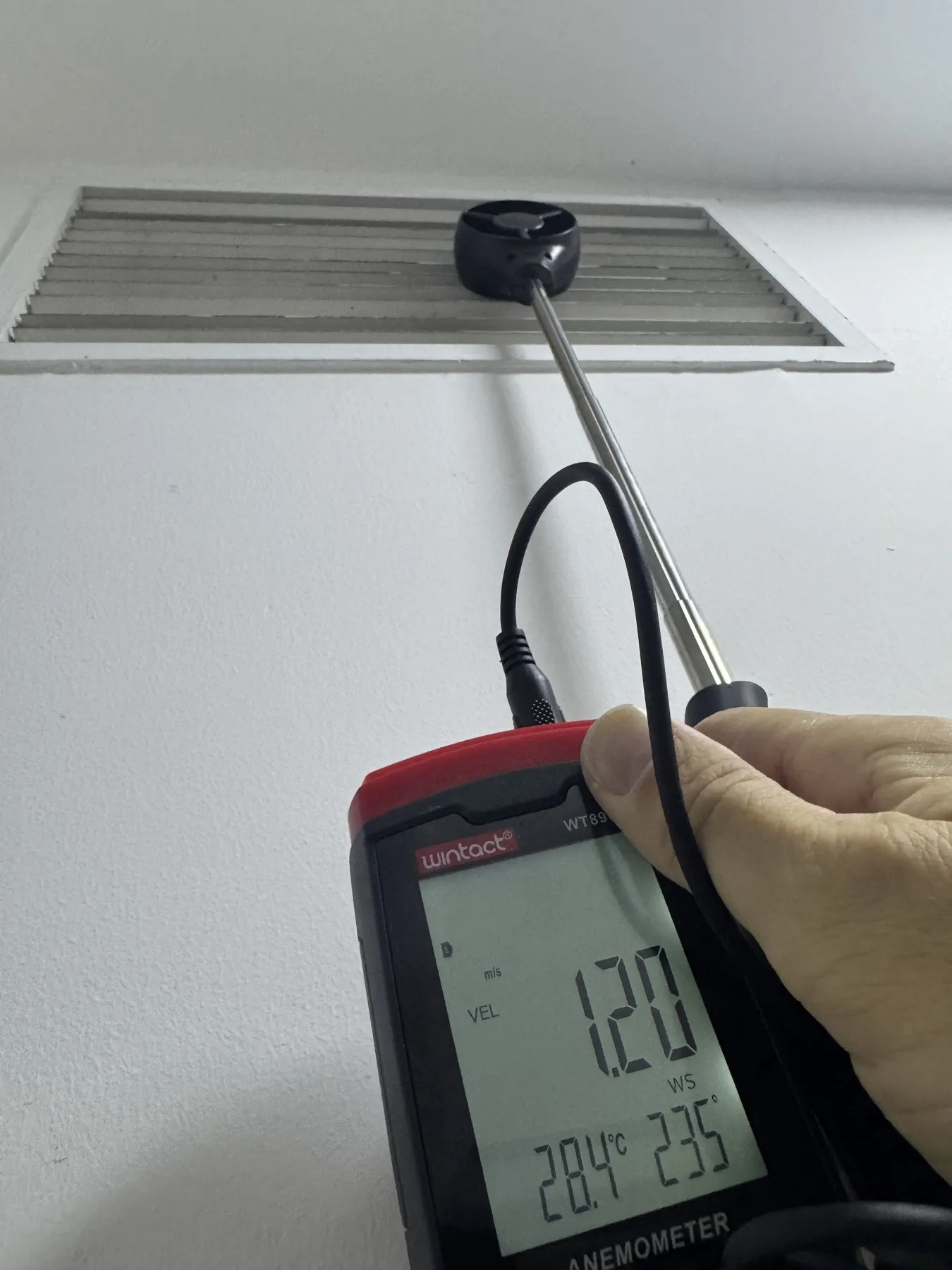
- Air conditioning performance, condensate and airflow
- A dated report you can submit before the deadline
What I typically find
- Snags from the original list that were reported as closed but were only covered over, for example a stain painted rather than its cause removed.
- Hairline cracks at junctions between different materials, around door frames and at ceilings after the first season of heat.
- Sealant joints that have hardened, shrunk or detached at windows, wet areas and terraces.
- Ceiling stains, swollen gypsum board or bubbling paint near AC outlets, often caused by condensation in the ceiling void.
- Condensate lines that are blocked or drain poorly, and rooms where the AC cools but does not remove enough moisture.
- Drains on terraces and balconies that are restricted by debris, and standing water after rain.
- Moisture readings at walls next to showers, kitchens and external walls that were dry at handover and are no longer dry.
How it works
- 01Your dates and documents
You send me the handover date, the defect liability period in your contract, the original snag list and the developer’s replies. I check which items are still open on paper.
- 02Re-check of every reported item
On site I go through the original list item by item and record for each one: rectified, partly rectified or not rectified.
- 03Search for what appeared during use
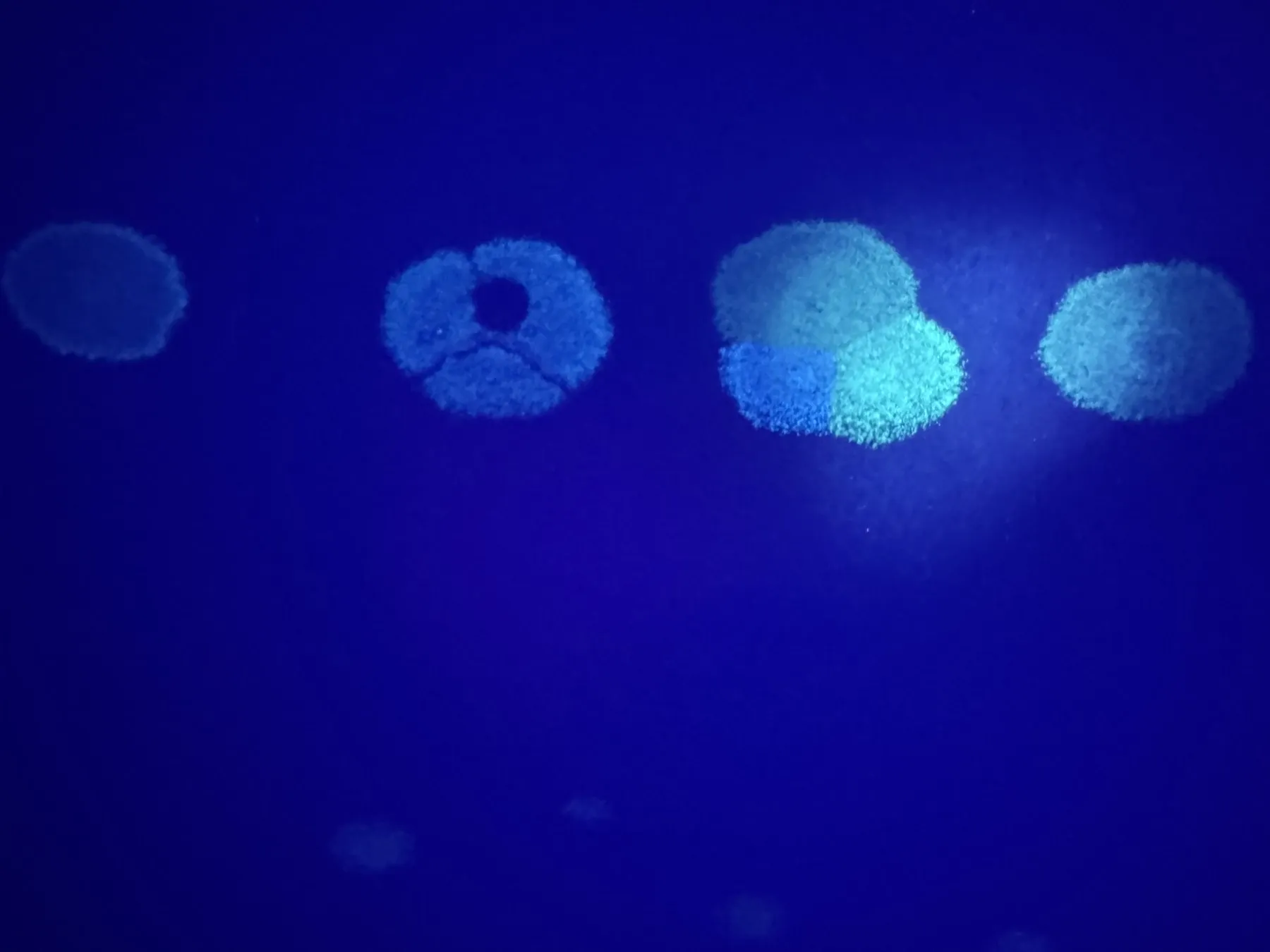
Then I inspect the unit as a whole for what only became visible during the first year: cracks, moisture, AC condensate, drainage. Measurement where needed, endoscopy into ceiling voids where access allows.
- 04Dated report before the deadline
You receive a dated report that you can submit to the developer while the period is still running. Old and new items are kept apart.
- 05Follow-up check
On request I check again after the developer’s rectification works.
What the defect liability period means in practice
The defect liability period is the time after handover during which the developer is obliged to rectify defects at his own cost. The exact period is set out in your sale and purchase agreement. Under Dubai Law No. 6 of 2019 the developer is liable for at least twelve months from handover for non-structural defects, for example in air conditioning, electrics, plumbing and workmanship, and for ten years for structural defects. Both periods run from the official dates, not from the day you moved in.
The practical consequence is simple: what is documented and reported within the period is fixed at the developer’s cost. What you find afterwards, you usually pay for yourself. A DLP inspection is therefore not a formality but your last organised chance to put everything on the table. For the legal assessment of your individual contract, please consult a lawyer.
Why the first summer reveals what the handover could not
A new building has not yet been tested by time and climate. In the first year it goes through extreme heat, continuous AC operation and, in some years, heavy rain. Sealants, joint materials and waterproofing systems are stressed for the first time, and movement between adjoining components creates additional stress. That is why defects often appear in the months after handover rather than on the day.
Not every crack is a defect. Its significance depends on location, pattern, width, depth and the component affected. It becomes critical where it affects layers that carry or hold back water. I measure crack widths and record their position, so you and the developer are talking about the same crack.
AC condensation: which period applies depends on the cause
Condensation in a ceiling void makes no noise. It starts with a faint damp smell, paint lifting near an outlet or a stain you want to wipe away. By the time water drips, the cause has often been there for months. Plasterboard absorbs moisture faster than most people expect.
This matters for the DLP. A simple AC fault falls into the building services period. If condensation leads to persistent water intrusion and affects the building fabric, the case may be treated differently. Which period applies depends on the cause, and establishing that cause is where an independent inspection earns its place. I therefore look not only at the stain but at the condensate line, the insulation and the airflow behind it, using moisture measurement and, where accessible, endoscopy.
When to book
Book the inspection a few weeks before the end of the period, so there is time to report and for the developer to respond. Ideally it falls after the first summer and before the next rainy season: the heat has shown what it can, and you still have time to have weak points at waterproofing and drainage fixed before rain tests them.
Why it matters
The first Dubai summer shows what the handover could not. The DLP inspection is your last chance to let the developer pay for it.
What this inspection is not
- No legal assessment of which defect falls under which liability period. The report delivers the technical facts; for the legal side, please involve a lawyer.
- No destructive opening of ceilings, walls or floors without the owner’s consent. Where a cause can only be confirmed by opening, I say so in the report.
- No repair work, and I do not oversee the developer’s rectification works. I can check the result afterwards on request.