Is the proposed scope appropriate? Does the measure address the cause or only the symptom? Is the price plausible for the work described?
Who this is for
- A contractor has quoted for a remediation and you are not sure the scope is right, or whether it is needed at all.
- You have received a snagging or inspection report from another provider and want to know whether it holds up.
- You have two quotations for the same problem that differ widely in scope and price, and you need to understand why.
- A damp stain or crack keeps coming back after repairs, and a new proposal says the same thing as the last one.
- A landlord, developer or building management has proposed a measure, and you want an independent view before you agree.
What I check
- Snag reports and inspection reports from other providers
- Contractor quotations and their scope
- Remediation proposals: cause or symptom?
- Plausibility of price for the work described
What I typically find
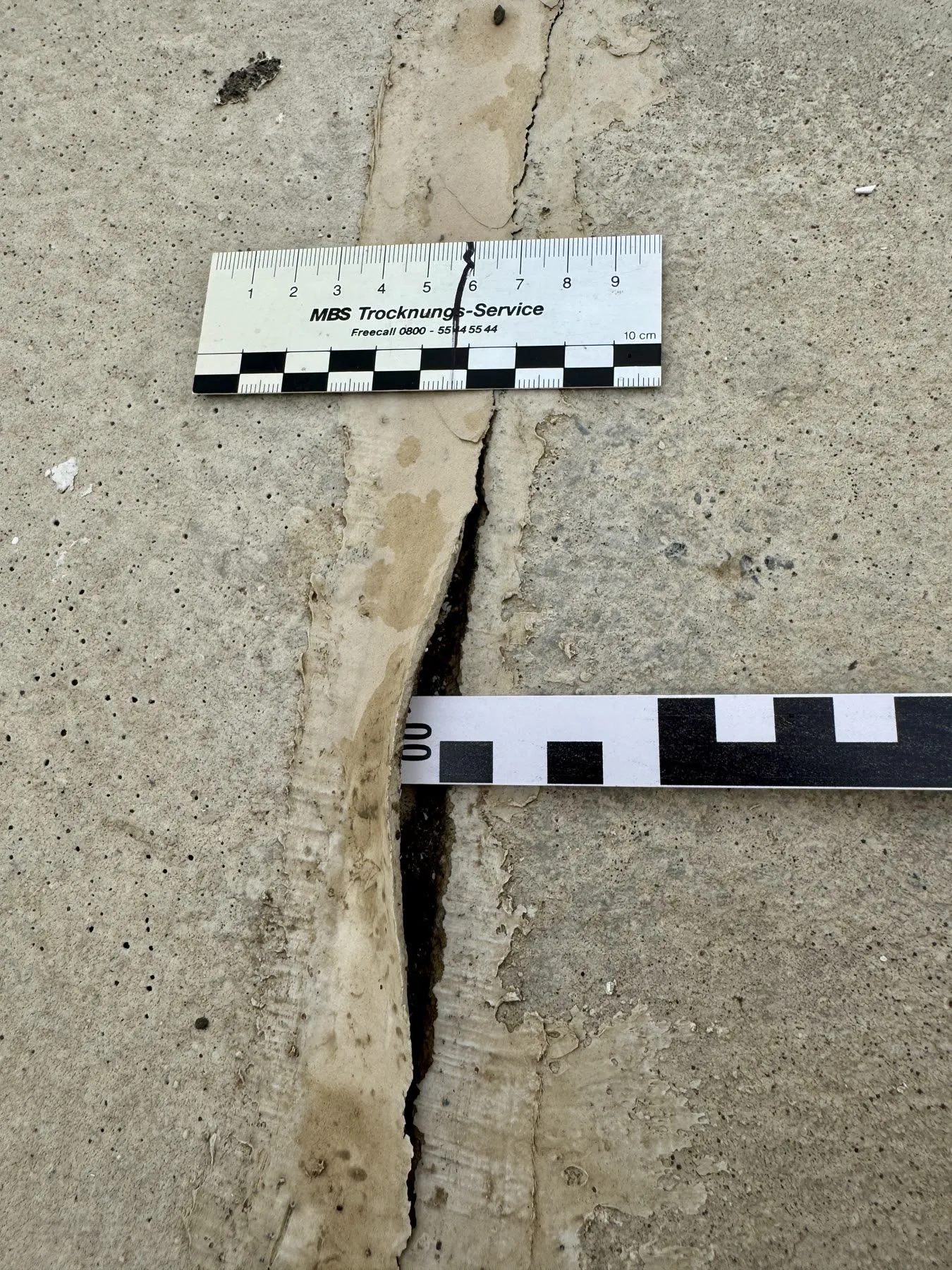
- Proposals that treat the visible stain, for example by repainting or replacing a ceiling board, while the source of the moisture is not addressed.
- Quotations that describe the work so vaguely that it is impossible to tell what is included and what will be charged later.
- A scope larger than the damage requires, or smaller than it needs to be to last.
- Remediation of mould without a statement on the moisture cause, so the growth returns.
- AC cleaning offered as the solution where condensate drainage, airflow or insulation is the actual problem.
- Reports that list observations without separating them from assessment, or state a cause the investigation does not support.
How it works
- 01Send the documents
You send me the report, quotation or proposal, together with photos and a short description of the problem.
- 02Document review
I check whether the proposed measure matches the damage described, whether it addresses the cause, whether the scope is complete and whether the price is plausible for the work described.
- 03Site visit only if needed
Many reviews work from documents and photos. If the question cannot be answered without seeing the property, I tell you before you commit.
- 04Written opinion
You receive a clear written assessment: what is appropriate, what is missing, what is unnecessary, and what you should ask the contractor.
Cause or symptom: the central question
The most common weakness in a remediation proposal is not the price but the order of steps. If the cause is not established, the remediation treats the symptom, and you usually pay twice because the damage returns. I have seen owners repaint a ceiling several times while the stain kept returning, because the actual condensation source was never fixed. A moisture stain is rarely a paint problem.
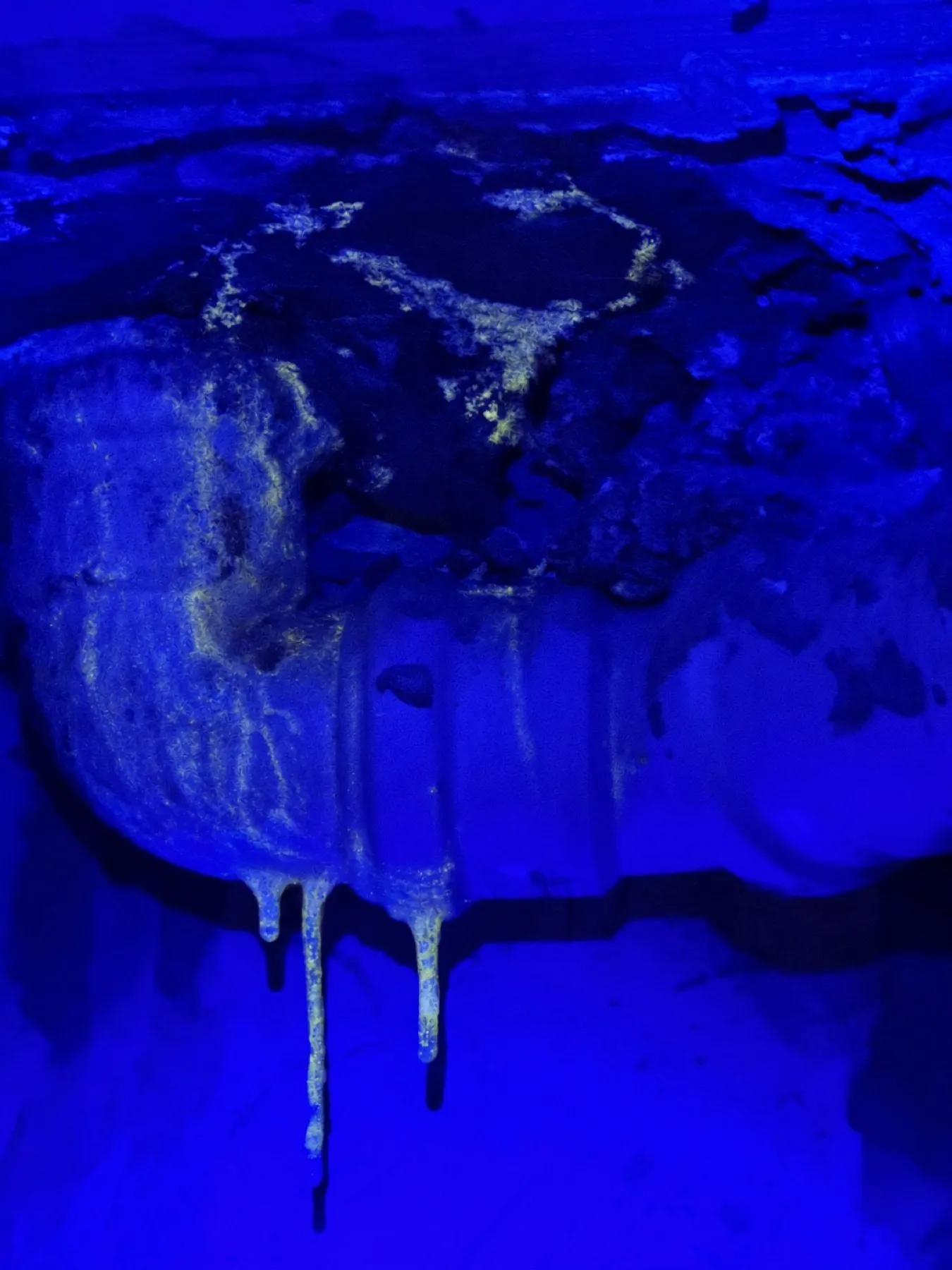
The visible damage does not have to match the point of entry. Moisture can travel within building layers, along installations or through junctions and appear somewhere else entirely. A sound proposal therefore distinguishes between damage pattern, point of entry and actual cause. If a proposal does not say where the water comes from, that is the first question I ask.
Is the scope appropriate?
A good proposal is as large as the damage requires and no larger. I look at whether the measure fits the findings, whether preparatory steps such as drying or removing affected material are included where they are needed, and whether the junctions and transitions that typically fail are part of the scope. Mould, for example, needs attention alongside its moisture source; calling it merely a symptom would understate the issue.
Is the price plausible for the work described?
I do not compare against a price list. I compare the price with the work that is actually described. If the description is vague, the price cannot be judged, and that is a finding in itself. A clear quotation states quantities, materials, preparatory work and what is excluded.
Experience from execution, without a second interest
I also run an execution company, True Novaleix Technical Services. That gives me practical knowledge: what a waterproofing detail withstands through a Dubai summer, how a rectification is carried out on site, and which remediation proposal simply cannot be delivered. A recommendation that reads well on paper and fails in execution is of no use to you.
The two companies are kept strictly separate. A second opinion from True Line never leads to an order or a recommendation for True Novaleix. On request I can help you obtain quotations from suitable companies and compare them technically. The decision stays with you, without commission, and True Novaleix is not part of that process.
Why it matters
The cheapest way to start with True Line. Often one review saves you a remediation you did not need, or one you would have had to pay for twice.
What this inspection is not
- Not a replacement for an investigation where the cause is unknown. If the documents do not allow a conclusion, I say so and recommend the right investigation.
- No contractor referral and no commission. I name the necessary measure, not the company.
- No review of work carried out by True Novaleix, because an inspector does not inspect his own company’s site.
- No legal assessment of contracts or claims.