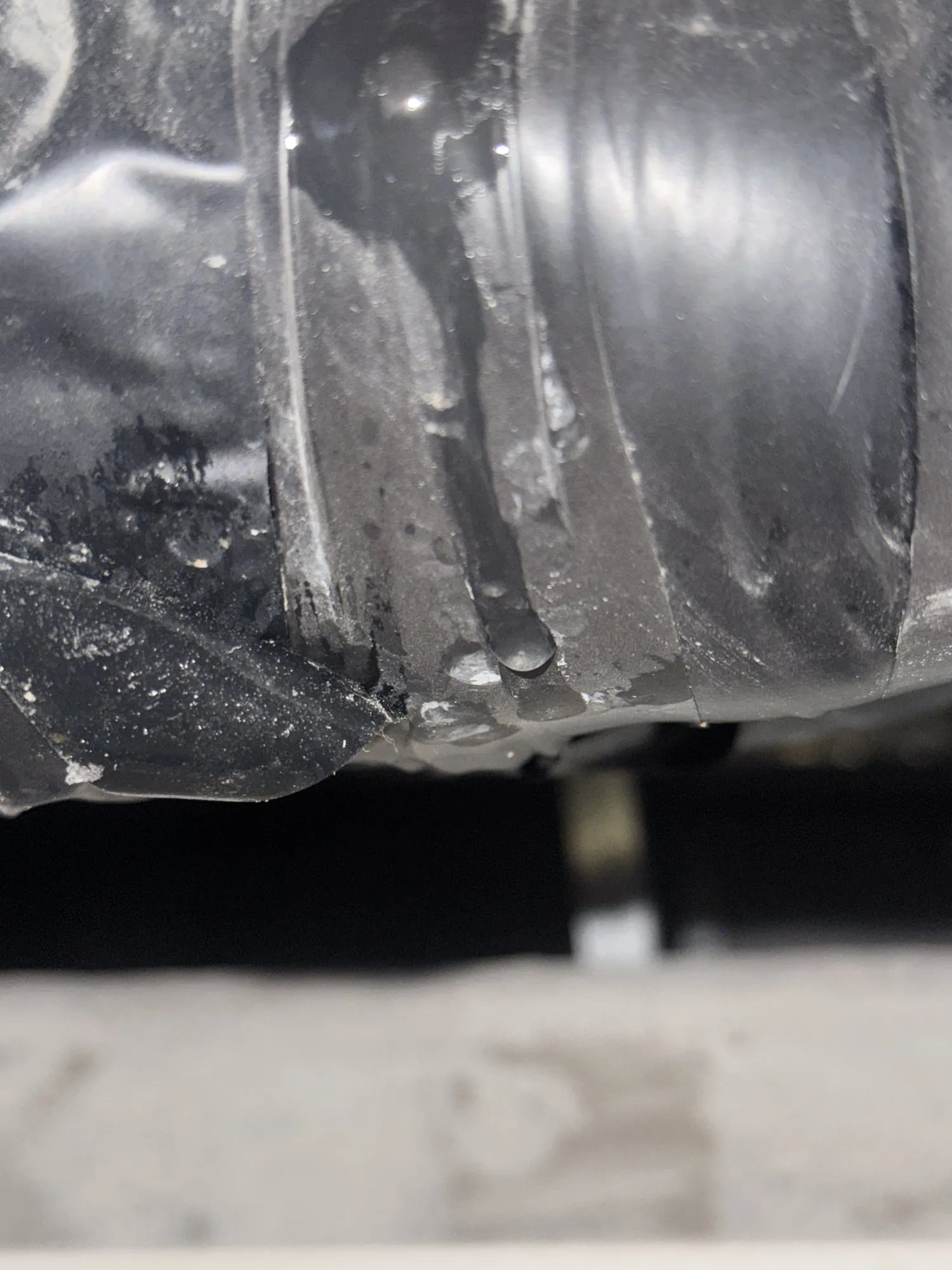
What becomes visible is only the symptom. The cause has often been sitting inside the ceiling void for months. Condensation starts quietly: a faint damp smell, paint lifting slightly near a vent, a stain you want to wipe away. That is exactly why it goes unnoticed for so long.
How condensation forms above your ceiling
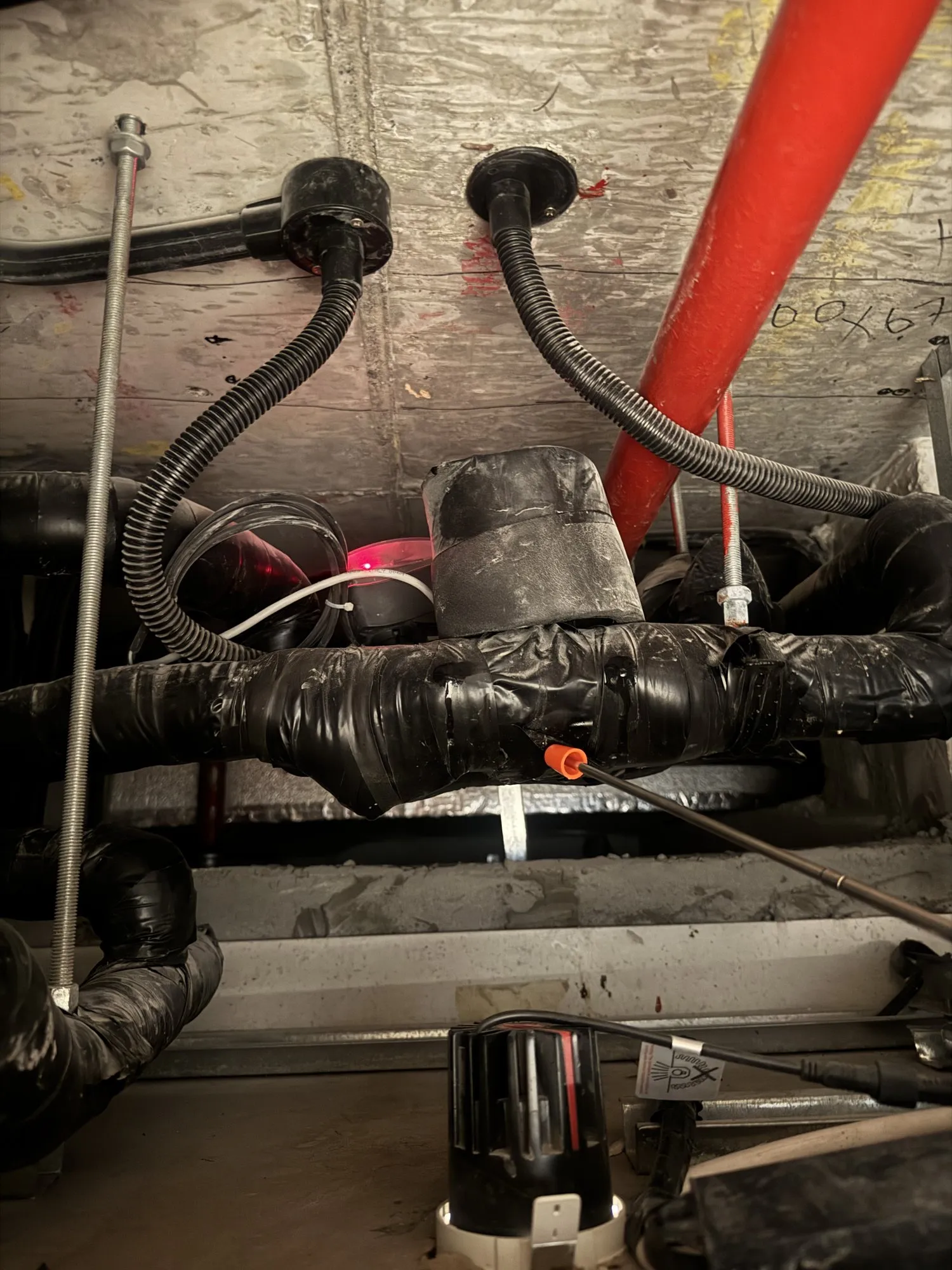
Dubai’s climate puts heavy strain on every cooling system: cooling demand almost all year, high outdoor temperatures, gaps in the insulation of ducts and chilled pipes, blocked condensate lines and inconsistent maintenance. Where a surface is colder than the dew point of the humid air around it, water forms on it. Inside the ceiling void that happens on poorly insulated ducts and pipes and on the underside of the fan coil unit’s drain pan, out of sight.
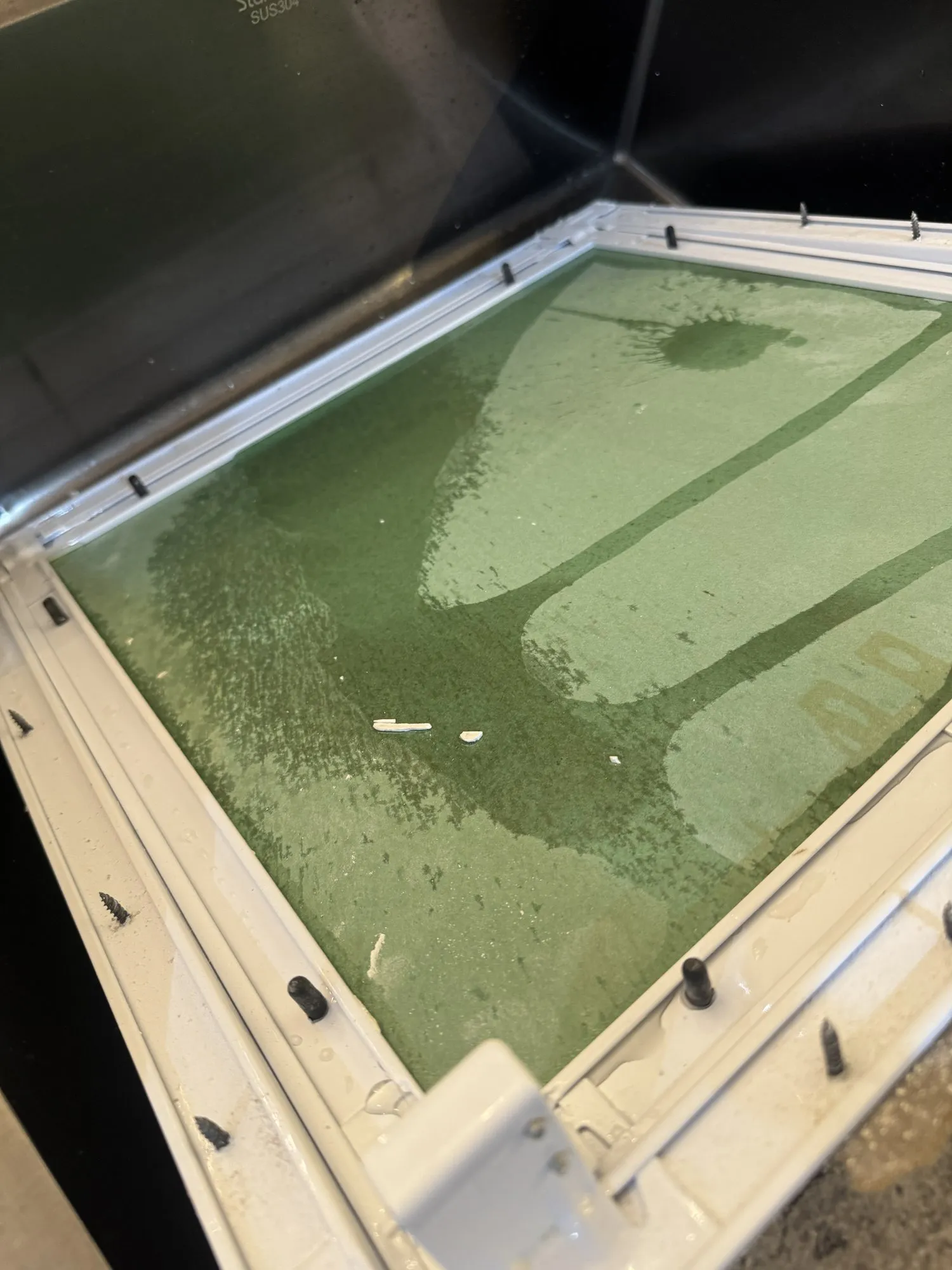
If the condensate cannot drain because the line is blocked or has no fall, it backs up, the pan overflows and the water goes where it can: onto the gypsum board below. Plasterboard absorbs it faster than most people expect.
What the damage looks like
The results look similar in many villas and apartments: ceiling stains, peeling paint, swollen gypsum board, musty smells, mould, warped finishes and hairline cracks around the vents. Left trapped long enough, the moisture eventually reaches electrical installations, joinery, lighting and indoor air quality.
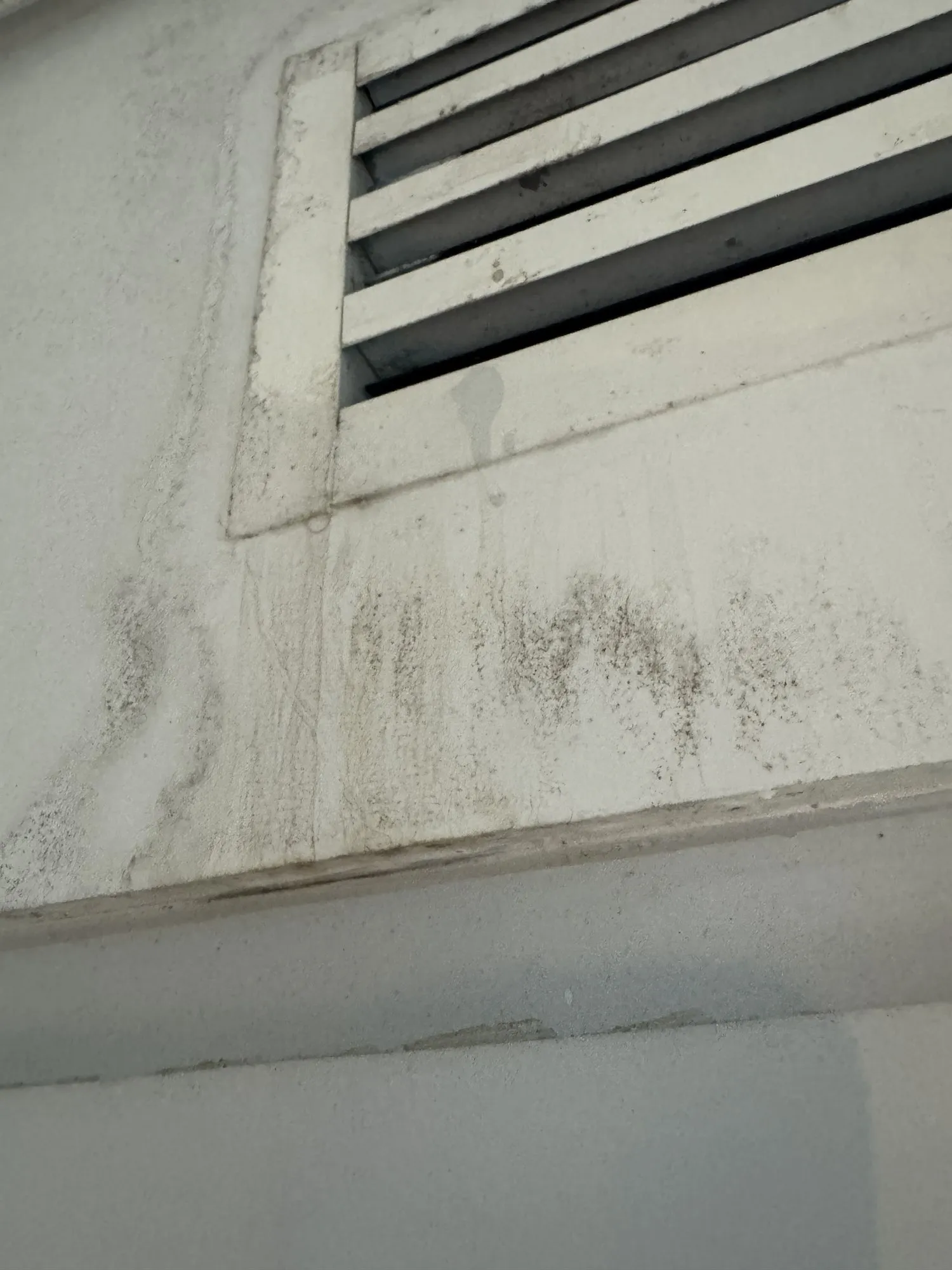
I have seen owners repaint a ceiling several times while the stain kept returning, because the actual source was never fixed. This is where costs start to climb. A moisture stain is rarely a paint problem, and mould that keeps coming back needs a mould and moisture inspection that looks for the cause, not the surface.
Early warning signs
Early detection changes everything. Take these signs seriously:
- A musty smell near the vents or when the AC starts.
- Uneven ceiling texture, small bulges or a soft spot in the gypsum board.
- Paint that keeps bubbling or a stain that returns after repainting.
- Dark spots or dust lines around supply grilles.
- Rooms that never seem to cool properly, or water that keeps standing in a drain pan that should be draining.
How the cause is found without tearing the ceiling down
A good assessment narrows the problem down before anything is opened. Concealed moisture readings show where the board is wet. Thermal imaging, where it adds insight, shows cooler and possibly damp zones. An endoscope through an existing access panel or a small opening shows the ducts, the insulation and the condensate line inside the void. Where a sample answers a specific question, it goes to a laboratory. Visible mould usually needs no sample. How this fits together step by step is described in my method.
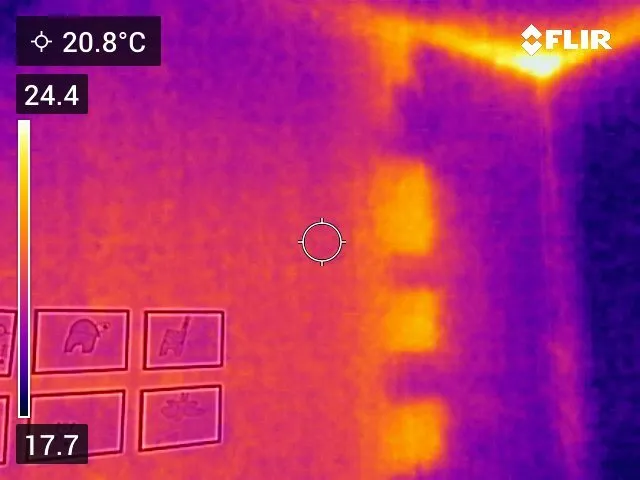
The aim is to separate the three things that often get mixed up: where the water appears, where it comes from, and why. A stain below a fan coil unit can come from condensation, from a leaking pipe, or, after heavy rain, from the roof, as in villa leaks after the March 2026 storm. Each needs a different repair and a different person to fix it.
Why the cause decides which period applies
For new builds and recently handed over units there is a point many owners miss. For units in jointly owned developments, Dubai Law No. 6 of 2019 makes the developer liable for structural defects for ten years from the completion certificate, and for installations such as air conditioning, electrical and plumbing works for one year from handover of the unit1. If the owner does not take possession, the one year period starts when the developer obtains the completion certificate instead. Both periods run from official dates, not from the day you move in.
That makes the cause important. A simple fault in the AC system belongs to the installations. Whether lasting damage to the building itself is treated differently depends on the case and the contract, and a lawyer has to answer that. What I can do is establish and document the cause and the extent of the damage, so you have facts in hand before a period ends. A later discovery does not automatically rule out a claim, because other statutory rights or contractual warranties can apply, but it makes the case much harder. That is why the timing of an inspection can decide tens of thousands of dirhams, and why a DLP inspection before the defect liability period ends is worth planning.
Conclusion: the cause, not the stain
At True Line I assess these cases independently, from concealed moisture readings to an endoscope in the ceiling void and laboratory samples where they answer a real question. I inspect and document, and I do not carry out the repair, so there is no interest in a bigger job. In Dubai, a preventive check is almost always cheaper than the repair that follows when nobody looked.

About the author
Harald Wagner is a DEKRA certified expert for structural damage and an InterNACHI Certified Professional Inspector. He headed a geotechnical institute in Germany for 19 years and now inspects properties in Dubai with True Line, independent of sales, brokerage and repair work. More about Harald.